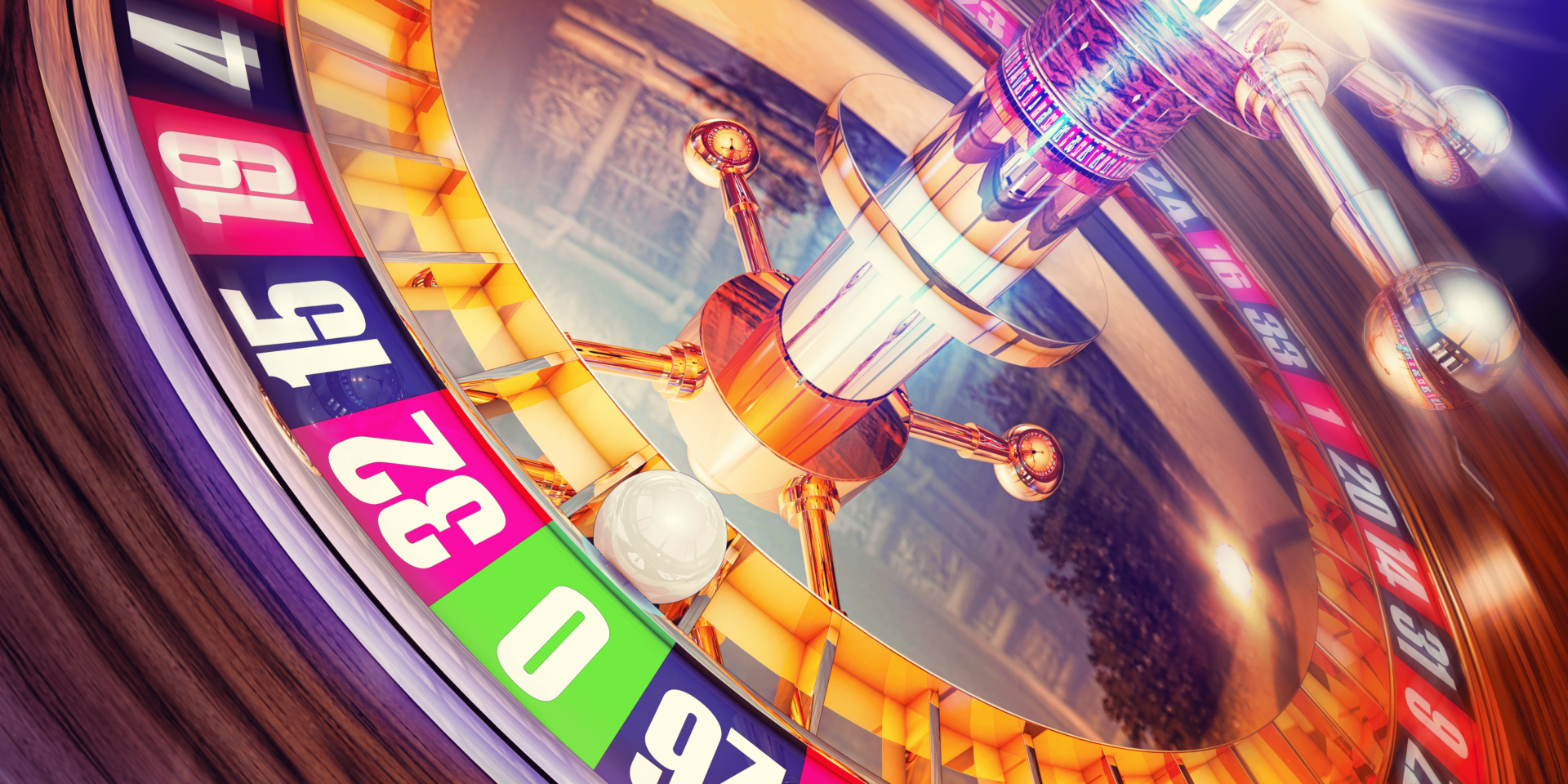
Near Wins Trigger False Hope
Near wins feel like they almost deliver success. The result looks close—a matching set, a near miss, or a number just one off. But in most cases, these outcomes are meaningless in terms of actual odds.
Despite the loss, near wins activate areas in the brain linked to rewards. Players often interpret these moments as signs of progress. The outcome wasn’t a win, but the mind reacts as if it’s on the right path. This response encourages continued play even when the odds stay the same.
Game Designers Use Near Wins to Increase Playtime
Modern games and sweepstakes often include near-win events on purpose. The design doesn’t rely on pure chance. Developers use algorithms to create results that mimic randomness while controlling pacing and excitement.
By placing near wins at specific points, developers influence player behavior. These moments keep users engaged, especially when real rewards are rare. The near win becomes a motivator. Players feel they’re getting closer, even though the chance of success remains unchanged.
The Illusion of Progress Shapes Behavior
Near wins make it feel like effort or strategy is working. This perception reinforces belief in progress. Even when outcomes are random, players may think they’ve “figured it out.” They adjust behavior, repeat steps, or change timing based on past results.
This sense of progress is an illusion. Near wins don’t increase odds of success. But players treat them as clues. Over time, this response leads to longer sessions, more attempts, and a deeper emotional investment in the outcome.
Emotional Reward Without Actual Gain
The brain reacts to near wins with excitement. The rush feels like a win, even when there’s no reward. That emotional hit is powerful. It can cause the player to chase the next play, not for a prize, but to repeat the feeling.
This pattern creates a cycle. The player experiences an emotional high, followed by a loss, and then another tease. The result is tension between hope and frustration. And yet, that feeling is what keeps many people returning.
A Realistic Scenario: Hooked by Design
Imagine a busy professional who downloads a sweepstakes app during a lunch break. The first few spins yield nothing. Then comes a near win—three out of four symbols match, lights flash, music plays. The screen pauses just long enough to suggest something big almost happened.
That player doesn’t walk away. They keep spinning, convinced that one more try might land a reward. Hours later, they’ve played through dozens of rounds. The prize hasn’t come, but the thrill of near wins keeps them engaged long after the first play.
Near Wins Alter Risk Perception
Near wins make losses feel less significant. A complete miss might signal bad luck. But a near win suggests improvement. That false sense of progress changes how players assess risk. They believe the reward is within reach, even when the odds stay static.
This shift in risk perception fuels more participation. Players take chances they might otherwise avoid. The near win convinces them they’re not wasting time—they’re getting closer.
Dopamine Drives Repetition
Near wins activate dopamine in the brain. This chemical reinforces behavior by creating a feeling of pleasure. The reward system responds even when the player doesn’t receive a prize.
This chemical feedback loop plays a key role in habit formation. When the brain links behavior to dopamine, it encourages repetition. Over time, near wins can drive compulsive behavior, even in games with no real value or reward.
Design Patterns Prioritize Engagement
Near-win design isn’t accidental. Developers study player psychology and use those insights to structure outcomes. They control visual elements, sound effects, and timing to maximize impact.
For example, animations may slow down before a near win to increase suspense. Sound effects may rise in pitch or volume to suggest intensity. These subtle changes increase emotional response, which leads to longer engagement.
Rules Don’t Prevent Manipulation
Most platforms that use near wins follow legal guidelines. But those rules don’t stop manipulation. Developers can stay within technical compliance while still nudging players toward risky behavior.
Odds may be disclosed, and terms may be available. But those factors don’t affect design strategy. The structure of the game, not the information provided, shapes user behavior. In that sense, the law may protect the system more than the player.
Awareness Doesn’t Equal Control
Some players recognize near wins as a trick. They may even understand the mechanics behind the design. Still, awareness doesn’t always translate into self-control. Emotional response often overrides logical thought.
Even informed players can find themselves chasing that feeling. The illusion of control is strong, especially when paired with the memory of an almost-win. Knowledge helps, but it doesn’t remove the emotional drive created by the design.
Real Costs Hide Behind Free Play
Near-win systems often appear in free games or apps. Since players don’t pay upfront, they may ignore the cost. But the real expense is time and attention. Hours lost to fruitless play can interfere with focus, productivity, and even sleep.
Some platforms also convert time into money through microtransactions. The near win keeps players engaged long enough to consider spending. That decision, made under the influence of anticipation, often feels justified—even when the outcome doesn’t change.
Recognizing the Pattern
Near wins create powerful emotional reactions. They look like progress, feel like hope, and drive behavior through design. While they don’t change the actual odds of winning, they manipulate how people think and act.
Understanding how near wins work allows players to make more informed choices. They can spot the pattern, pause, and reflect before diving deeper. Recognizing design tricks doesn’t remove the pull—but it creates space to act with intention instead of impulse.