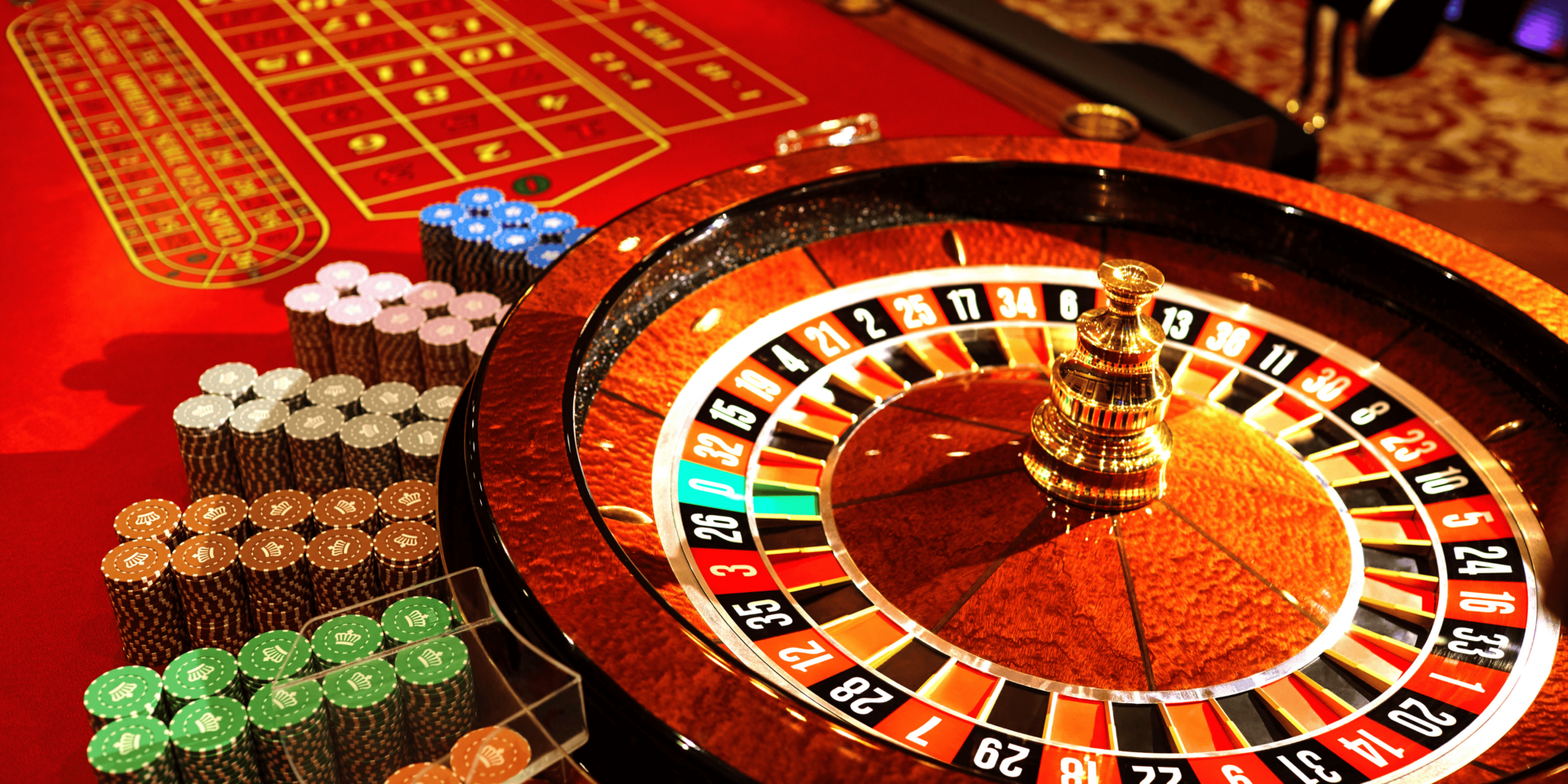
Casino Design Uses Stimuli to Shape Player Behavior
Online and physical casinos use specific design elements to influence how players behave. Lights, sounds, and repetitive loops are not just aesthetic choices—they’re calculated tools that trigger emotional responses and encourage continued play.
Bright visuals and flashing effects signal excitement. Sounds reward even minor wins with celebratory cues. These combined elements create a sensory environment where players stay focused on the screen and detached from real-world consequences.
Sounds Trigger Immediate Emotional Responses
Sound design in casino games is intentional. Every spin, win, or bonus feature is paired with audio cues that mimic celebration, urgency, or progress. These sounds activate the brain’s reward system even when the player wins very little or nothing at all.
This creates a feedback loop. The player hears the reward and wants to repeat the behavior. Even without a financial gain, the audio effect produces a satisfying sensation. Over time, the player begins to crave that sensory response more than the prize itself.
Light Effects Reinforce Positive Conditioning
Flashing lights and bright colors are designed to hold attention and create stimulation. They signal success and encourage engagement by mimicking real-world reward cues. Whether it’s spinning reels or jackpot animations, light effects guide focus and reinforce the idea of potential gain.
These visual signals train the brain to associate color and motion with reward. The longer the exposure, the stronger the connection. Players return not because they’re winning, but because their brains anticipate a reward through these flashing cues.
Loops Are Built to Remove Pause
Casino games follow tightly structured loops. A player spins, sees results, reacts, and spins again. There’s no natural break or stopping point. One action flows into the next with minimal interruption.
This design reduces reflection. The player stays in motion, repeating the same actions without assessing outcomes. The loop keeps them inside the game, and the absence of pause discourages breaks or decisions to stop.
A Realistic Scenario: Hooked by the Experience
A player signs into an online slot game at the end of the day. The screen lights up, and upbeat music plays. They spin once and hear a series of bells, even though the win is small. The visuals flash and a progress bar ticks forward.
Without planning to, they continue playing for over an hour. They don’t feel bored, even though their balance barely changes. The lights and sounds keep their attention, and the loop of play offers no reason to exit.
The Brain Responds to Stimuli, Not Outcome
Players often believe they return to games for the chance of a win. In reality, they return for the stimulus. The brain responds to audio and visual feedback with dopamine, which reinforces the behavior regardless of financial gain.
This explains why players keep spinning even after repeated losses. The brain links the action—not the result—to the reward system. The player isn’t chasing money; they’re chasing stimulation.
Design Tricks Blur Win and Loss
Many games use near-win effects to mimic the feeling of success. The screen flashes. Sounds play. Even when the payout is minimal, the feedback looks and sounds like a big win. This tricks the player into thinking they’re making progress.
Over time, players stop measuring success by actual money. They measure it by how the game feels. If the game keeps delivering stimulating effects, players stay engaged—even as their bankroll shrinks.
Audio-Visual Feedback Masks Real Time
The sensory loop inside casino games disconnects players from reality. Time loses meaning. The game fills every moment with light and sound, giving the illusion of constant activity and reward.
This sensory overload removes mental breaks. Without silence or pause, players struggle to step back or reassess their choices. Hours pass, but inside the game, it feels like moments. The feedback loop consumes attention.
Customization Deepens the Effect
Many games allow players to choose themes, sound settings, and bonus features. This customization increases emotional investment. Players feel connected to the game because they’ve shaped its environment to suit their preferences.
This deeper engagement makes the feedback loop stronger. The lights flash in a preferred color. The music plays in a chosen tone. Each element feels personal, which creates a stronger emotional link between the game and the player.
Immersion Replaces Intention
As the loop deepens, the act of playing becomes automatic. Players enter the game with a goal—relax, win, pass time—but quickly shift into pure immersion. They play without direction, driven by the cycle of feedback.
This removes intention from behavior. Instead of thinking critically, players react to cues. The lights and sounds take over, and the game dictates pace and engagement. The player stays not because they choose to, but because the design keeps pulling them in.
Breaking the Loop Requires Active Intervention
Disrupting the addiction loop means interrupting the stimuli. Turning off sounds, lowering screen brightness, or setting time limits can weaken the feedback cycle. Without the constant stimulus, players are more likely to reflect and make intentional decisions.
Awareness is the first step. Recognizing the role of design in prolonged play helps shift focus from game stimulation to real goals. From there, the player can take practical steps to reduce exposure and regain control.
Addiction by Design Is No Accident
Casino games don’t rely on luck alone—they rely on design. Every flash, beep, and loop is built to extend playtime. These elements train the brain to respond to the experience, not the outcome.
Understanding how design creates addiction helps players see the full picture. Games aren’t just games—they’re systems engineered for retention. Recognizing this allows players to set limits, play on their own terms, and avoid losing time to a feedback loop built for profit.